
Does a denied claim affect auto insurance rates? (2026)
Filing any auto insurance claims will increase your rates, regardless of the circumstances. High-risk drivers pay $137.75/mo more than those with clean records.
 Secured with SHA-256 Encryption





Table of Contents
Table of Contents

Published Insurance Expert
Melanie Musson is the fourth generation in her family to work in the insurance industry. She grew up with insurance talk as part of her everyday conversation and has studied to gain an in-depth knowledge of state-specific car insurance laws and dynamics as well as a broad understanding of how insurance fits into every person’s life, from budgets to coverage levels. She also specializes in sustai...
Melanie Musson

Licensed Insurance Agent
Brad Larson has been in the insurance industry for over 16 years. He specializes in helping clients navigate the claims process, with a particular emphasis on coverage analysis. He received his bachelor’s degree from the University of Utah in Political Science. He also holds an Associate in Claims (AIC) and Associate in General Insurance (AINS) designations, as well as a Utah Property and Casual...
Brad Larson
Updated December 2024
While it may seem as if a denied claim should have no effect on your rates, that is not always the case, according to the Texas Department of Insurance.

Even a denied claim may raise your rates because the accident that resulted in the claim put a negative mark your driving record.
Your driving record and claims history are both factors when it comes to setting your insurance rates.
Click here to enter your ZIP in our FREE tool to search for the lowest rates on car insurance now!
Any auto insurance claim, whether it was accepted or denied, may have an effect on your rates.
- A denied auto insurance can result in an insurance rate raise
- A variety of factors will impact your auto insurance rates
- Make sure you keep your claim information easily accessible
Factors that Affect Your Auto Insurance Rates
In addition to your driving record and claims history, several other factors come into account when companies calculate your proposed rates including:
- Your gender and age
- Marital status
- Where you park your car
- Type of car you drive
Vehicles that are inexpensive to repair and have a good track record when it comes to theft generally cost less to insure than vehicles that are pricey to repair and frequently stolen.
Other factors that affect the cost of your car insurance premium include the primary use of your vehicle and your credit score.
Companies may also look at your driving history to determine if you ever drove without insurance.
If you drove without car insurance for more than 30 days within the last year before you began to apply for car insurance, a company may increase your rates.
Driving without insurance is generally a risky move and may put you into the high-risk category, a category that is likely to see higher premiums than lower-risk drivers.
Furthermore, when dealing with auto insurance, several factors can affect whether or not your claim is successful. For example, if you experience a denied auto insurance claim, it might be due to not adhering to proper procedures. Not reporting an accident to your insurance or filing a claim without a police report can lead to complications and potentially result in a denied auto insurance claim.
Additionally, ensuring that you follow the correct process when filing an insurance claim is essential to avoid problems. Filing an insurance claim without proper documentation may not only hinder your claim but also affect its outcome.
Moreover, how you handle your claims can impact your insurance rates over time. Insurance rates go up even if you don’t file a claim due to changes in risk assessment by the insurer. Similarly, not reporting an accident to your insurance can lead to higher rates, as it might be seen as a failure to meet policy requirements.
To avoid these issues, it’s important to understand the steps if an insurance claim is denied and ensure that all necessary information is provided. Properly managing your claims and understanding these factors can help maintain manageable insurance costs.
Free Insurance Comparison
Compare Quotes From Top Companies and Save
Secured with SHA-256 Encryption
What Constitutes a High-Risk Driver
You may also find yourself classified as a high-risk driver if you have a poor driving record and lengthy claims history.
Once again, whether a claim has been approved or denied is not the main factor, the fact that you had an accident is.
Having a long list of tickets and accidents on your record can definitely put you in the high-risk driver’s seat. You may face premium surcharges that reach as high as 60 percent.
Insurance companies look for a few things in particular including:
- Moving violation tickets for things like speeding and unsafe practices
- Criminally negligent driving
- Driving with a suspended license or with no license at all
- Driving under the influence
- Involuntary manslaughter
Your credit score may also play a part in a high-risk classification. A poor credit score, history of paying late, outstanding debts and lines of credit may be indicators of a high-risk client.
While a car insurance company cannot cancel, refuse to renew or refuse to sell you car insurance based only on your credit report, they can use it as a factor to increase your rates.
Younger, inexperienced drivers may also fall into the high-risk category even without past claims or accidents on their record.
In Addition, understanding what constitutes a high-risk driver involves examining various insurance-related factors. For example, steps to take after a car accident not your fault are crucial. Properly documenting the accident and notifying your insurance company can help maintain a positive driving record.
However, even if you follow these steps, insurance premium increases after a claim may still occur. This is because insurers often view recent claims as a sign of increased risk. Similarly, insurance costs rise after filing a claim, reflecting the higher risk associated with recent incidents.
How to File a Claim
Although every car insurance company may have slightly different procedures for filing a claim, the process typically involves several standard steps, according to the Wisconsin Office of the Commissioner of Insurance.
The first step is notifying your insurance company of the accident. Some companies may allow you to contact them directly while others may suggest you go through your agent who sold you the insurance.
Your goal is to find out what specific forms, documents and other supporting evidence you will need to submit in order to substantiate your claim.
One of the standard forms you may encounter is a known as a proof of loss form. You may need to submit any medical bills and repair bills related to your claim.
A copy of the police report of the accident may be required.
Being truthful is necessary for filing a claim, as is ensuring you answer all inquiries with the greatest amount of information possible.
Even though you submitted all the necessary paperwork, your insurance company may still contact you for additional information.
You should also provide your own insurance company with any legal documents or papers you received from the other party to help your company compile a comprehensive file on the accident in case you are sued and brought to court.
Car insurance companies may defend you in court under the liability portion of your car insurance policy.
Moreover, filing a claim involves understanding the potential issues that may arise. For example, a State Farm rate increase after an accident can occur if the insurer views you as a higher risk following a claim. If your car insurance claim is denied or even your travel insurance claim denied, it’s crucial to review the reasons provided by the insurer.
Properly handling USAA claims or any other insurance claims requires following the correct procedures and providing necessary documentation to support your case.
Keeping Good Records of the Accident
Maintaining your own comprehensive file on the accident is crucial for managing your insurance claim and related processes. All receipts, records of expenses, and accident-related documents should be kept in this file. This includes detailed notes of any conversations you had with the police, the other party, lawyers, accident witnesses, and others regarding the accident.
Free Insurance Comparison
Compare Quotes From Top Companies and Save
Secured with SHA-256 Encryption
Reasons a Claim May be Denied
Regardless of how valid you feel your claim may be, an insurance company may deny for a number of reasons.
One of the main reasons pointed out by the Illinois Department of Insurance is failure to cooperate.
If you do not fully answer questions asked, refuse to call back, or simply refuse to give out information, your claim may be on shaky ground.
Insurance companies need to determine the number of factors before they are typically willing to pay out a claim such as:
- Who is at fault for the accident
- The extent of the fault
- The severity of injuries and property damage
- If those injuries or damage is directly related to the accident
Claims that are not backed up by supporting documents, such as medical and repair bills and a police report, may also be denied.
Most states have laws governing the amount of time you have to file a claim and not meeting the deadline can result in a denial.
You must also settle a claim within a given timeframe, whether it is by accepting the settlement or filing a lawsuit.
In Illinois, for example, you have two years from the date of the accident to settle bodily injury claims and five years to settle property damage claims.
Additionally, when dealing with insurance claims, there are several reasons why a claim might be denied. For example, you might receive a notice of denial of medical coverage if the expenses are not covered under your policy. A rejected personal injury claim can occur due to insufficient documentation or exclusions in your policy.
Similarly, State Farm denied your auto insurance claim might happen if there are policy violations or errors in the claim submission. Understanding the specific issues with your State Farm insurance claims is crucial for resolving the problem.
Different types of claims may also face unique challenges. For instance, a comprehensive claim might be denied if the damage is not covered by your policy. Additionally, if you have Progressive insurance coverage for a car that caught on fire, the coverage might be limited based on the specifics of the fire and your policy details.
Each insurance company has its own criteria for processing claims, so reviewing the reasons for any denial is essential for addressing and potentially rectifying the issue.
Fraudulent Insurance Claims
Fraud is another reason a claim may be denied, provided the insurance company recognizes the fraud. It is not always the policyholder who is fraudulent, either.
Sometimes car repair shops or mechanics may engage in fraud using a number of techniques.
They may over-inflate the estimate of how much it costs to repair a vehicle, bill you for repairs that were not authorized by your insurance company, or charge for new auto parts when they merely pounded out dents instead of replacing a part.
They may also report lost or damaged parts that were never lost or damaged or charge for new parts when they used parts culled from the junkyard.
Keeping a keen eye on your repair bills and making sure you know the details behind each charge can help you spot fraud on your own.
You can report it by contacting your state’s insurance commissioner.
Also, when handling insurance claims, it’s crucial to understand how various actions can affect your insurance rates and coverage. For instance, insurance rates might increase if someone hits your car because insurers may view this as an increased risk and subsequently raise your premiums.
Additionally, filing an insurance claim could raise rates, even for minor incidents. This is relevant when you report a minor accident to your insurance company, as it might lead to higher insurance costs in the future.
If your claim is denied, it’s important to know the actions if your insurance company denies your claim. This involves understanding the reasons behind the denial and taking appropriate steps to address the situation. Ensuring you correctly complete and submit a Hyundai claim form and provide all necessary documentation can help resolve issues and prevent further complications.
By managing your claims effectively and addressing potential issues transparently, you can better navigate the claims process and avoid unnecessary increases in your insurance premiums.
Filing a Claim vs. Not Filing a Claim
The auto insurance claims you file go on record, where they are easily searchable by future insurance companies. Any claims filed with the other person’s insurance company are likely to be found out by your own.
Some motorists may think the easy answer may be to simply not a file a claim after an accident and take care of any damage out their own pockets.
While this may work at keeping a claim off your record, it also makes the cost of repairs your sole responsibility.
Auto repairs can be extremely costly, even in cases where the damage may seem minor.
Keeping claims off your record does not guarantee the accident will be kept off your record.
Insurance companies may find out about the accident through police reports, even if you did not file. If authorities were called to the scene, they may create their own reports.
The best way to keep accidents off your record is to drive safely and obey the laws. Having an accident is not the end of the world, and most stay on your driving record for a limited amount of time.
Moreover, when deciding whether to file a claim or not, understanding the potential consequences is crucial. In states like Michigan, where Michigan no-fault insurance applies, the claims process differs from other states. Choosing not to file a claim might help you avoid some complications, such as a possible auto insurance claim denial.
However, not filing could mean you are left to cover expenses out of pocket. For example, if two cars backing into each other in a parking lot cause damage, not reporting it might leave you with significant repair costs. Additionally, if you later decide to file a claim but it’s denied, you may have to pay a deductible if your claim is denied.
Filing a claim involves working with an insurance adjuster who evaluates the validity of your claim. If the at-fault driver’s insurance denied the claim, this could complicate getting your damages covered. An auto insurance claim denial may result from various factors, such as mistakes in the claim process or disputes over liability.
Thus, carefully weighing the decision to file a claim versus not filing is important, as it impacts both your immediate costs and future insurance considerations.
Check out car insurance rates now by entering your ZIP in our FREE tool!
Frequently Asked Questions
Will my auto insurance rates increase if my claim is denied?
In general, if your auto insurance claim is denied, it does not directly affect your auto insurance rates. Insurers typically use claims history and driving records to determine premiums, and a denied claim is not typically factored into this assessment. However, there are a few important considerations to keep in mind.
Can a denied claim indirectly impact my auto insurance rates?
While a denied claim itself may not directly affect your rates, certain circumstances related to the denial can have an indirect impact. For example:
- If your claim was denied due to a violation of policy terms or fraudulent activity, it can lead to policy cancellation or non-renewal. When seeking new insurance coverage, having a policy canceled or non-renewed can result in higher rates.
- If the denial is due to an at-fault accident, even if it’s not directly linked to your rates, your insurer may still consider the incident when calculating future premiums.
How can a denied claim affect my future insurability?
A denied claim can affect your future insurability in a couple of ways:
- Some insurance companies may be hesitant to provide coverage to individuals who have a history of denied claims, as it may be seen as an indicator of increased risk.
- If you’ve had multiple denied claims, insurers may view you as a higher-risk customer, which could result in higher premiums or difficulty finding coverage.
Is there any way to avoid a denied claim impacting future rates?
While you cannot directly prevent the impact of a denied claim on future rates, there are steps you can take to mitigate potential consequences:
- Ensure you understand your policy terms and coverage limits to minimize the likelihood of a claim denial.
- Practice safe driving habits to reduce the risk of accidents and claims in the first place.
- If your claim is denied, it’s important to address the underlying reasons for the denial and take steps to rectify the situation, if possible.
Will a denied claim be recorded on my insurance history?
Yes, a denied auto insurance claim can be recorded on your insurance history. While it may not directly impact your rates, it can still be part of your claims history, which insurers may consider when assessing your risk profile in the future. It’s important to be aware of and address any denied claims to maintain a favorable claims history.
Related Articles
-
Aug 2025

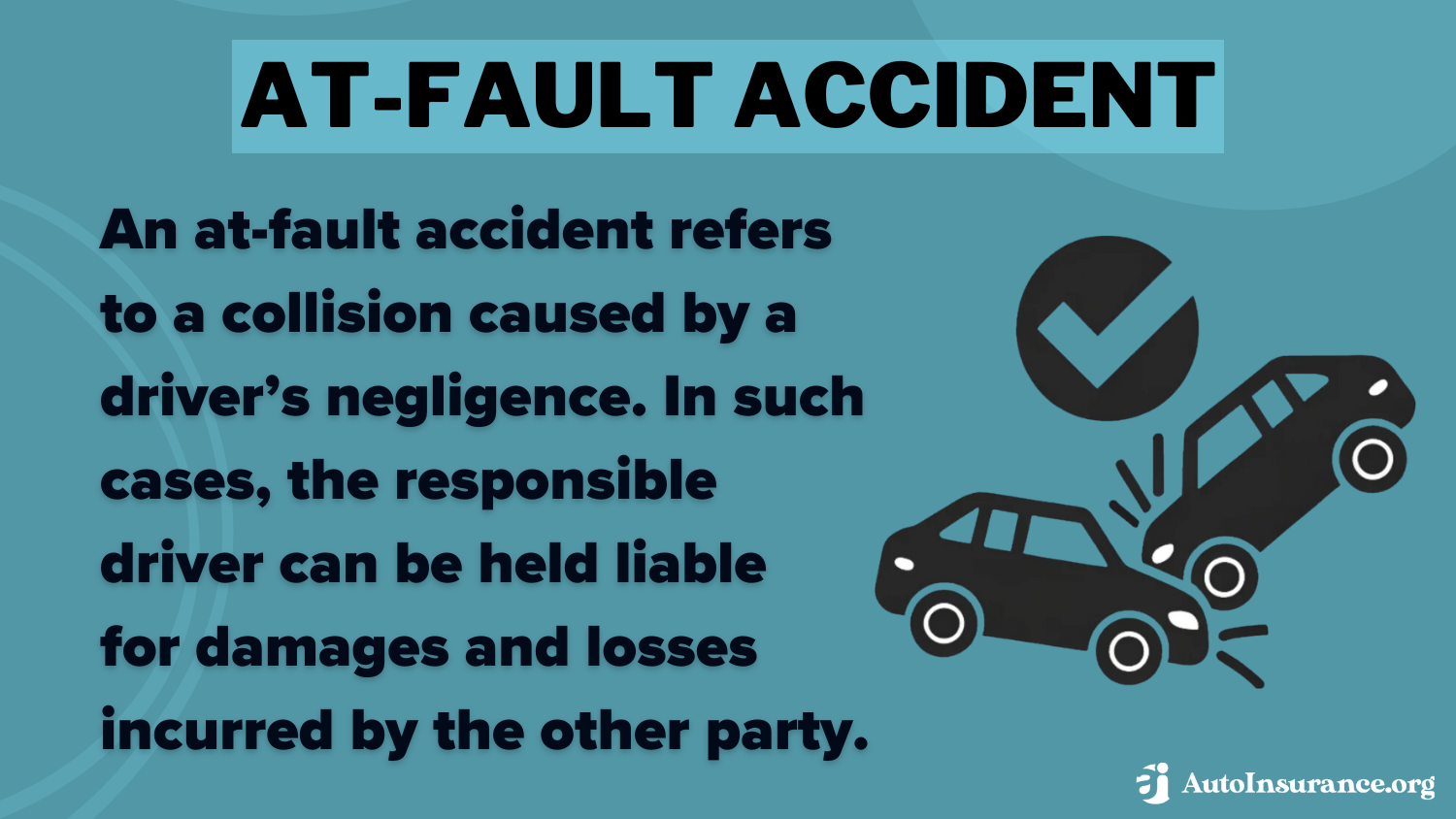
At-Fault Accident Defined (2026)
-
Dec 2024
New Hampshire Child Car Seat Laws (2026)
-
Dec 2024
Does auto insurance cover broken side mirrors?
-
Oct 2024
Best Windshield Replacement Coverage in Delaware (Top 10 Companies in 2026)
-
Oct 2024
Hitting a Parked Car, Auto Insurance Implications
-
Dec 2024
How to Cancel Progressive Auto Insurance in 2026 (6 Simple Steps)




Get a FREE Quote in Minutes
Insurance rates change constantly — we help you stay ahead by making it easy to compare top options and save.
Secured with SHA-256 Encryption